
Advertising

Experience new growth possibilities with Microsoft Advertising today >

Blog post

How brands can align with daily gaming behaviors

May 14, 2025
Hand holding a smartphone while lying in bed with sunlight in the background

Gaming follows players through every moment of their day, from mobile puzzles in the morning to console play at night. Brands that align campaigns to player motivations and dayparts can deliver more relevant, resonant, and rewarding messages that turn daily gaming routines into lasting brand connections.

Subscribe to the Game Theory newsletter

Gaming is an important part of how people live. From a quick puzzle session in the morning to a co-op mission with friends at night, gaming adapts to a player’s mindset, mood, and available time. For advertisers, this presents a powerful but often overlooked opportunity: aligning campaigns not just by platform or demographic, but by moment.

Understanding when, why, and how players engage with games throughout the day can help brands deliver messaging that feels timely, relevant, and additive to the experience—not disruptive.
Today’s players engage with games across multiple touchpoints and timeframes. Our latest report, Gaming’s Next Level: The Power of Platforms, reveals that, rather than reserving gaming for one block of time or a single device, the gaming audience interacts with it continuously—switching between mobile, console, and PC based on where they are and what they’re looking for in that moment.

  • 78% of weekly players engage across two or more dayparts
  • 52% of weekly players game across some combination of mobile, PC, and console
  • Average session length increases throughout the day, peaking at 1.86 hours in late night play sessions

These patterns reflect how dynamic gaming engagement can be throughout the day, shaped by player mindset, platform, and time spent. Our research highlights how purpose-drive gaming often is, with players engaging to focus, connect, or unwind depending on the time of day.


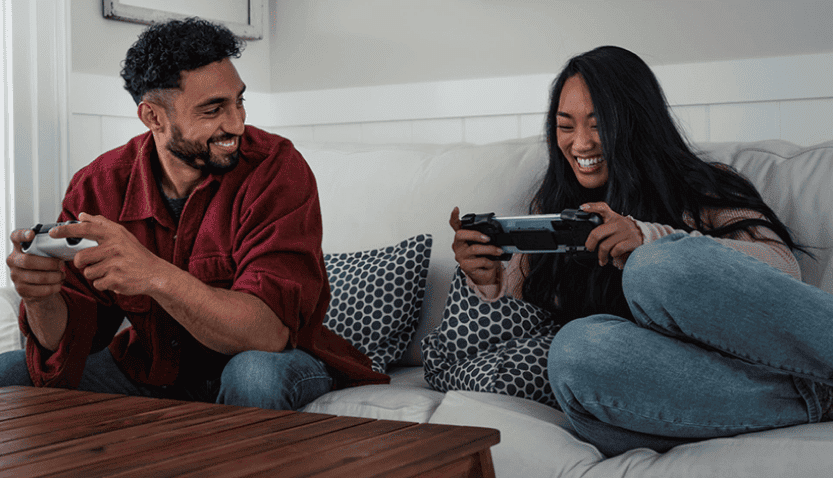
Pair of friends laughing and gaming together on a couch, one with a controller and another with a handheld gaming device

Gaming motivations often shift throughout the day, depending on mindset, environment, and available time. While patterns vary by individual, our research indicates the following general trends by daypart:

Time of DayAverage Session LengthMotivationTypical Platform
Morning1.18 hoursTo sharpen my brainMobile
Midday1.31 hoursTo solve problems or think strategicallyMobile
Afternoon1.42 hoursTo explore places I cannot go in real lifeMobile
Evening1.66 hoursTo bond with friends and familyConsole & Mobile
Late Night1.86 hoursTo relax and unwindConsole & Mobile

These shifting motivations can offer helpful creative cues for brands looking to tailor messaging throughout the day. Based on the patterns we’ve observed, advertisers might consider the following strategies:

  • Morning sessions may be well-suited to Rewarded Video, offering players quick value during shorter, focused interactions.
  • Midday and afternoon could align with Interactive End Cards or Playables that invite exploration or problem solving.
  • Evening and late night might lend themselves to branded integrations or cinematic experiences that match players’ desire to immerse or unwind.

Player engagement in gaming isn’t static, it shifts meaningfully throughout the day. As player mindsets change, so does what they seek from a game, and how they’re open to engaging with brands. That gives advertisers a distinct edge: the ability to reach not just an audience, but a mindset. It also means brands can adjust creative and media strategy in ways that enhance the experience rather than interrupt it.

When ads align with the why behind a session—whether it’s mental stimulation, social connection, or relaxation—they become part of the experience. And that’s where performance lives.

As player motivations shift, so do platforms. Mobile dominates in the morning and throughout the workday due to its convenience and accessibility. Console and PC become more prominent in the evening, when players have more time and seek immersive experiences.

This fluidity makes it clear: effective campaigns don’t just choose any platform. They select the right platform for the right time and player behavior.

Gaming isn't confined to a single screen or schedule—and neither should your marketing strategy be. Aligning with players’ daily behaviors creates space for brands to show up with intention, value, and relevance. That’s what turns a moment of play into a moment of impact.

Authors

  • María Paz Cañiza

    María Paz Cañiza

    SENIOR QUANTITATIVE RESEARCHER