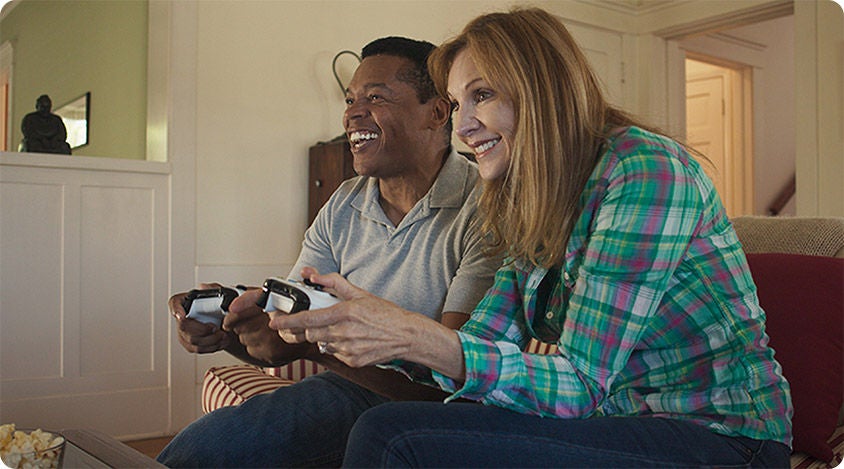
Understanding the nuanced identity of gamers is more than just an academic exercise; it has direct implications for how brands should approach gaming as an advertising channel. The diversity of the gaming audience means that there are multiple entry points for brands to connect with consumers in meaningful ways. Whether through in-game advertising, sponsorships, or creating content that resonates with different segments of the gaming population, the opportunities are vast.
For example, the premium mobile gaming sector represents a significant opportunity for brands. 73% of players consider mobile games to be high quality, a perception that aligns with an increasing appreciation of mobile gaming as a premium experience (Premium by Design, 2023).
With a predicted 2.85 billion people playing mobile games worldwide in 2024 (Newzoo Global Games Market Report, 2024), brands can reach a broad and diverse audience that is poised for growth. Candy Crush Saga's US players alone average 4.61 game sessions per day, each lasting over 10 minutes, showcasing mobile gaming's potential as a high-engagement platform for brands (Data.AI (formerly known as AppAnnie), Base = Google Playstore Players, US, October 2024).
As gaming continues to expand, the distinction between gamers and non-gamers will likely blur further. Brands that understand and embrace this shift will be better positioned to engage with an audience that is not only massive but also highly engaged. Gaming offers a unique combination of scale and engagement that is hard to match in other media channels.